WELCOME TO
Sondi Samaj
RegNO.817/2015 TELANGANA,INDIA
Welcome
Learn About History
Explore the rich heritage, traditions, and origins of the Sundi/Sondi community and understand its cultural significance across generations.
History of the Sundi Community
Origin:
Sundi or Sunri people were known a Shaundika, Sundika and Shaha or Sanu.
Sundi is believed to be derived from the Sanskrit word Shaundika, which refers to a "spirit seller" or someone involved in the trade of alcoholic beverages. In 1891, Mr. H.H. Risley noted that the Sunri, Shaundika, and Sundika communities were a large and widely dispersed caste found across most districts of Bihar, Bengal, and Orissa. Their traditional occupation was primarily associated with the production and sale of spirituous liquors. References to these communities can also be found in various Puranas, though detailed information about their historical and cultural context remains scarce and requires further exploration.
Trade:
SUNDI OR SONDI CASTE
Sundi is believed to be derived from the Sanskrit word Shaundika, which refers to a "spirit seller" or someone involved in the trade of alcoholic beverages. In 1891, Mr. H.H. Risley noted that the Sunri, Shaundika, and Sundika communities were a large and widely dispersed caste found across most districts of Bihar, Bengal, and Orissa. Their traditional occupation was primarily associated with the production and sale of spirituous liquors. References to these communities can also be found in various Puranas, though detailed information about their historical and cultural context remains scarce and requires further exploration.
Migration:
Some of them have migrated in the past, from BIHAR and BENGAL, particularly to ORISSA and northern parts of ANDHRA, According to the 1981 census their population in Bihar and Bengal was 2, 52,331. They were primarly a Rural based community. The shape and a " MESOCEPHALIC" Type of Nose.
Trade and Occupation:
Over time, many Sundi individuals transitioned to mercantile pursuits, adopting the titles Shaha or Sahu. These titles were used to distinguish themselves from those who continued to follow the traditional occupation of their caste, which involved the manufacturing and selling of spiritual liquors. In Bihar and Bengal, a section of the Sundis, now known as Sahas or Sahus, claimed to be part of the "Sadhu Banik" (merchant class) and sought recognition as a separate group during the 1931 census.
Some members of the Sahu group aspired to elevate their social status and identified as Vaishyas. However, this move was met with opposition from certain Sahus, particularly due to differences in customs, such as the non-wearing of the sacred thread and practices like sagotra marriages. Despite this, the upward mobility of some Sahus inspired other Sundis, especially those who had abandoned traditional occupations, to also seek higher social status.
Food habits:
Traditionally, women in this community were prohibited from consuming chicken and mutton, with their diet restricted to fish and fish-based products. This unique custom was specific to this community. However, in modern times, these dietary restrictions have been lifted, and women are now permitted to consume mutton, chicken, and fish. Rice serves as their staple cereal. Additionally, some male members of the community regularly consume alcoholic beverages, smoke beedis, cigars, or cigarettes, and chew betel leaves with zarda.
Social Status:
In the book "India" by Sri K.S. Singh, IAS, it is mentioned that the Sundo, Sunri, or Sondi community is classified as a Scheduled Caste in Bihar and Bengal. In Orissa, however, the Sundi caste is categorized as Other Backward Class (O.B.C.). In the Agency areas of Andhra Pradesh, they are recognized as "Aboriginal Tribes," while in the plain regions of the state, they are classified as Other Castes (O.C.). Unfortunately, the Sondi caste does not receive any formal recognition in Andhra Pradesh, highlighting the disparities in their classification across different regions.
Surnames:
The Sundis were traditionally divided into two occupationally distinct subgroups: the Saha (not involved in distilling) and the Sahu. Historically, these subgroups were endogamous, meaning they married within their own groups, but they now intermarry. The community was further organized into several exogamous clans, such as Sandilya, Kashyapa, and Garga Rishi, among others. Initially, they used only one surname, either "Saha" or "Sahu." However, due to changing social and cultural circumstances, particularly in Orissa and Andhra Pradesh, many members of the Sundi community have adopted a variety of surnames in these states.
1. SAHA or SAHU.
2. Ratnala
3. Nalla
4. SAHUKARA or SAHUKARI.
Note: The workd Sahugaru, is pronounced as SAHUKARU, SAHUKARA, SAHUKARl in ANDHRA.
5. Labhala
6. Nallana
7. Pandava
8. Paridala
9. Mogilipuri/ Mogili
10. Purushottam
11. Bisoi
12. Kadambala
13. Das
14. Theegala
15. Patruni
16. Behara
17. Senapathi
18. Gajavili / Gajarao
19. Nemalipuri
20. Bangaru /Bangarambandi
21. Kamsu
22. Loya
23. Thulala/ Tulo
24. Uttarakawata/Uttarala
25. Nilagiri
26. Sunnamudi
27. Senapathi
"Nageswara Gotram" is common to this clan,
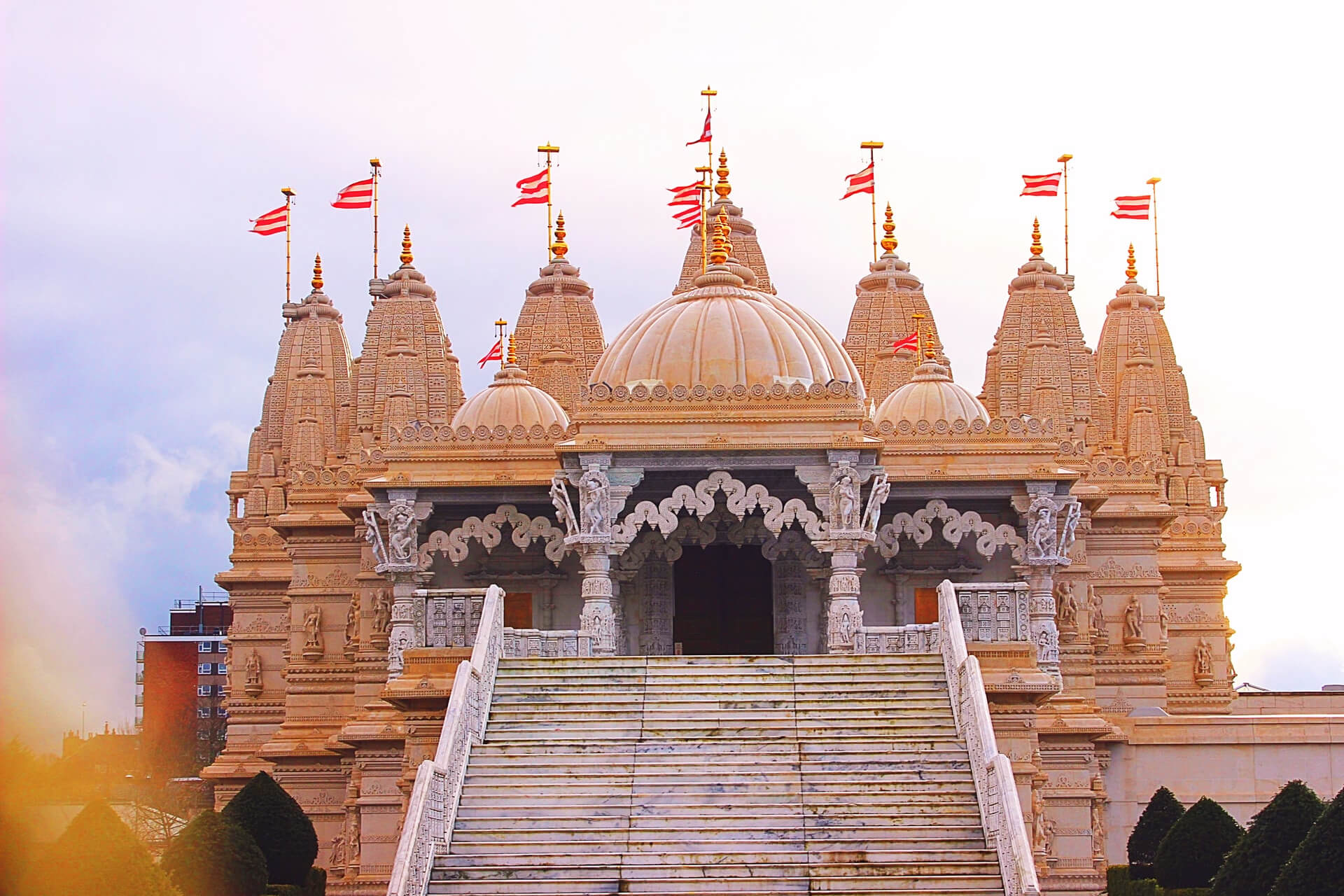
Motives
Our Vision & Mission
Vision
To empower the Sundi community by fostering education, economic self-sufficiency, and social equality, while preserving our cultural heritage, to create a prosperous and unified future where every individual has the opportunity to thrive.
Mission
To uplift the Sundi community through the promotion of education, skill development, and access to resources, ensuring equal opportunities in employment and entrepreneurship. We aim to strengthen social cohesion, foster leadership, and create a sustainable environment that supports personal growth, economic independence, and community well-being
Features
Our Main Works
Building Relationship
We believe that the strength of our community lies in the relationships we build with one another, as well as with external partners. By fostering a culture of mutual respect, collaboration, and open communication, we aim to create a supportive network where every individual feels valued and empowered. Our goal is to connect community members with each other, with organizations, and with leaders who share our vision, allowing us to collectively work toward shared success. We are committed to nurturing bonds that promote unity, collaboration, and collective growth, ensuring that our community thrives together in an environment of trust and opportunity.
Matrimonial
At Sondi community, we provide a trusted platform to help individuals from the Hindu community find meaningful, lasting relationships. Our services are designed to connect people based on shared cultural values, family traditions, and personal aspirations.
Helping Community
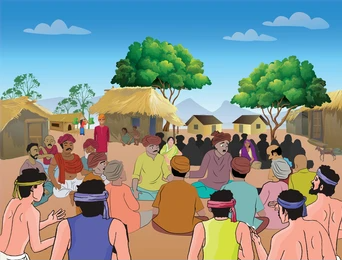
At Sondi community, we are dedicated to uplifting every individual and ensuring the collective well-being of our community. Through collaboration, support, and shared values, we work together to create a positive environment where everyone has the opportunity to grow, succeed, and contribute to the greater good.
Executive Committee


Not a Member? Connect With Us...